
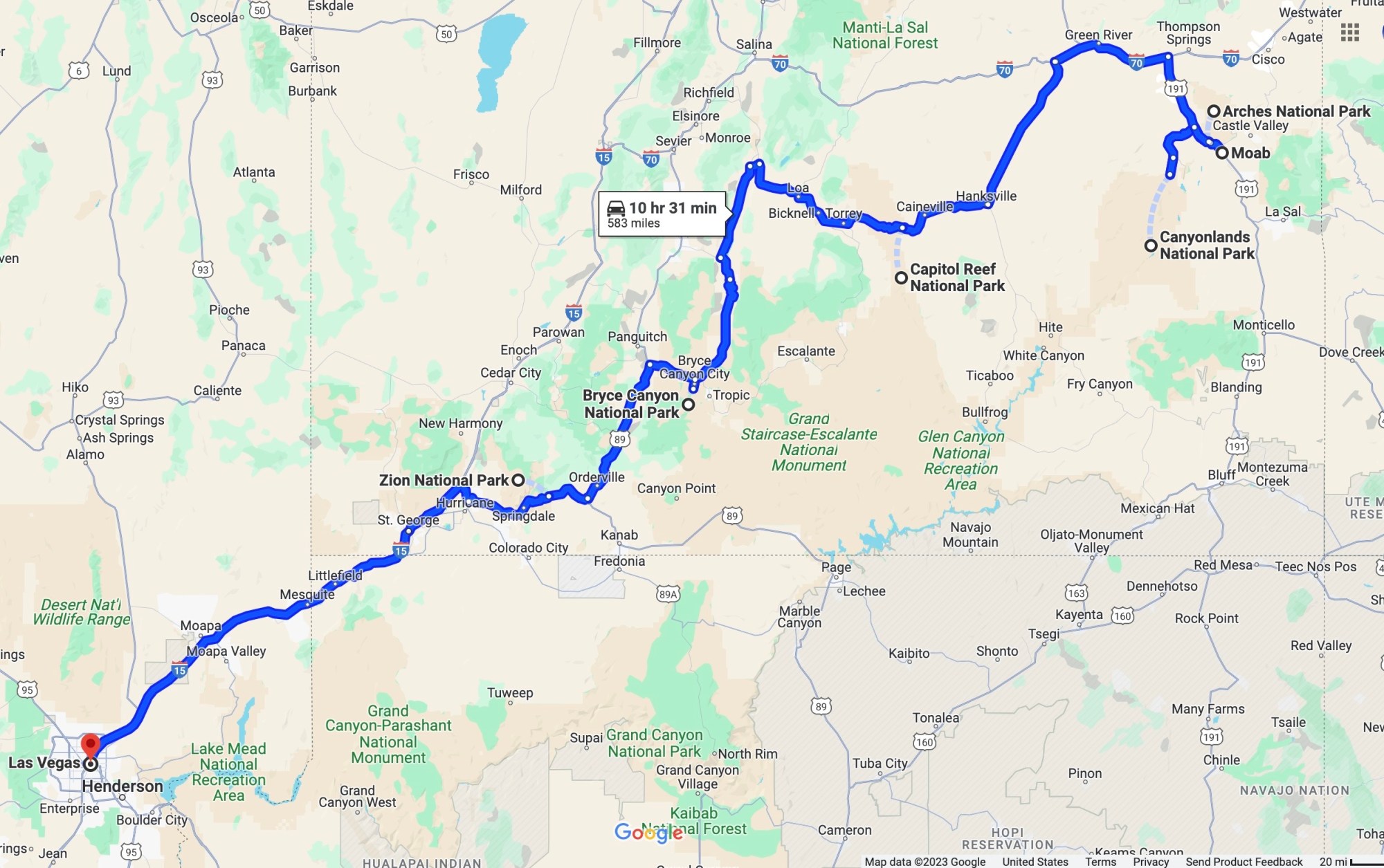
“So what was your favorite state for hiking?” That’s another easy one for us… Utah! Ever since we have developed a love for our National Parks, visiting Utah’s “Mighty Five” was a major goal of ours. The landscape there is other-worldly, and words will never be able to give justice to its majesty. It’s truly something you have to see with your own eyes to fully appreciate. From the beautiful red rocks, to the smell of the cleanest air you’ve ever breathed… there’s a feeling you get inside, you can almost feel the Native American spirits around you as you traverse these rugged lands. All 5 parks are pretty quick and easy to travel between as well (relatively speaking). If you start out on the easternmost side of the state, you can find plenty of places to stay in Moab. While in Moab, you can take your pick of whether to visit Canyonlands National Park or Arches National Park first. Arches is right there about 10 minutes away and Canyonlands is about a 30 minute drive away. We typically only spend a day at each place when we’re checking out new National Parks, but now that we’ve been there, we would definitely like to revisit both of these parks and spend a couple days exploring more of each one.
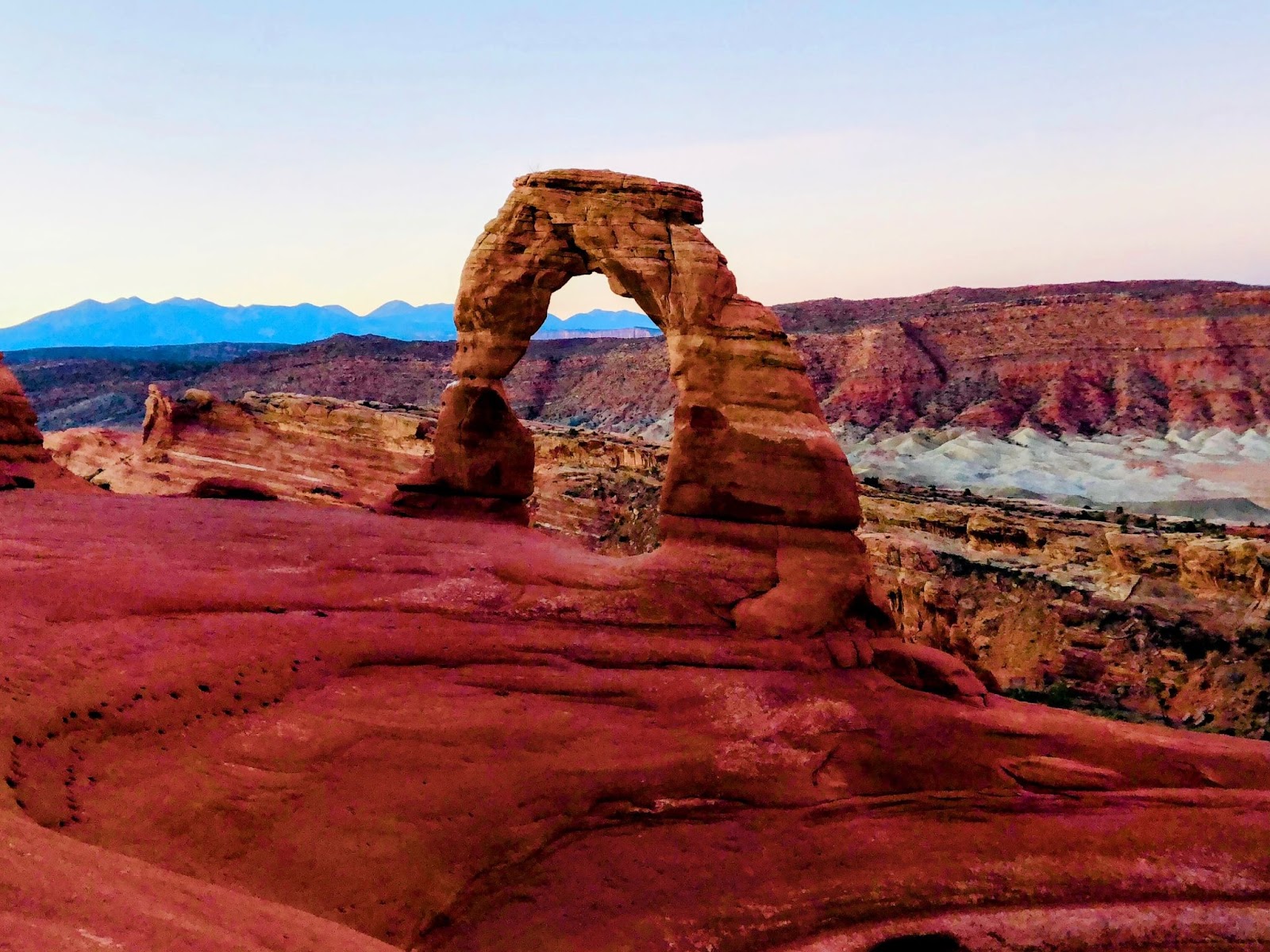
From Moab, you’ll drive just 10 minutes to visit Arches National Park. This park covers an area of 76,679 acres and is known for its distinctive red rock formations and more than 2,000 natural sandstone arches. One of the main attractions of Arches National Park is its stunning landscape, with towering red rock formations, deep canyons, and a diverse array of plants and animals. The park is also home to a number of hiking trails, including the popular Delicate Arch Trail, which offers breathtaking views of the park’s iconic 52 foot tall arch. In addition to its natural beauty, Arches National Park is also home to a number of cultural and historical sites, including the Wolfe Ranch, which was once home to a pioneer family, and the Petroglyph Panel, which features ancient rock art created by the Ute and Puebloan peoples.
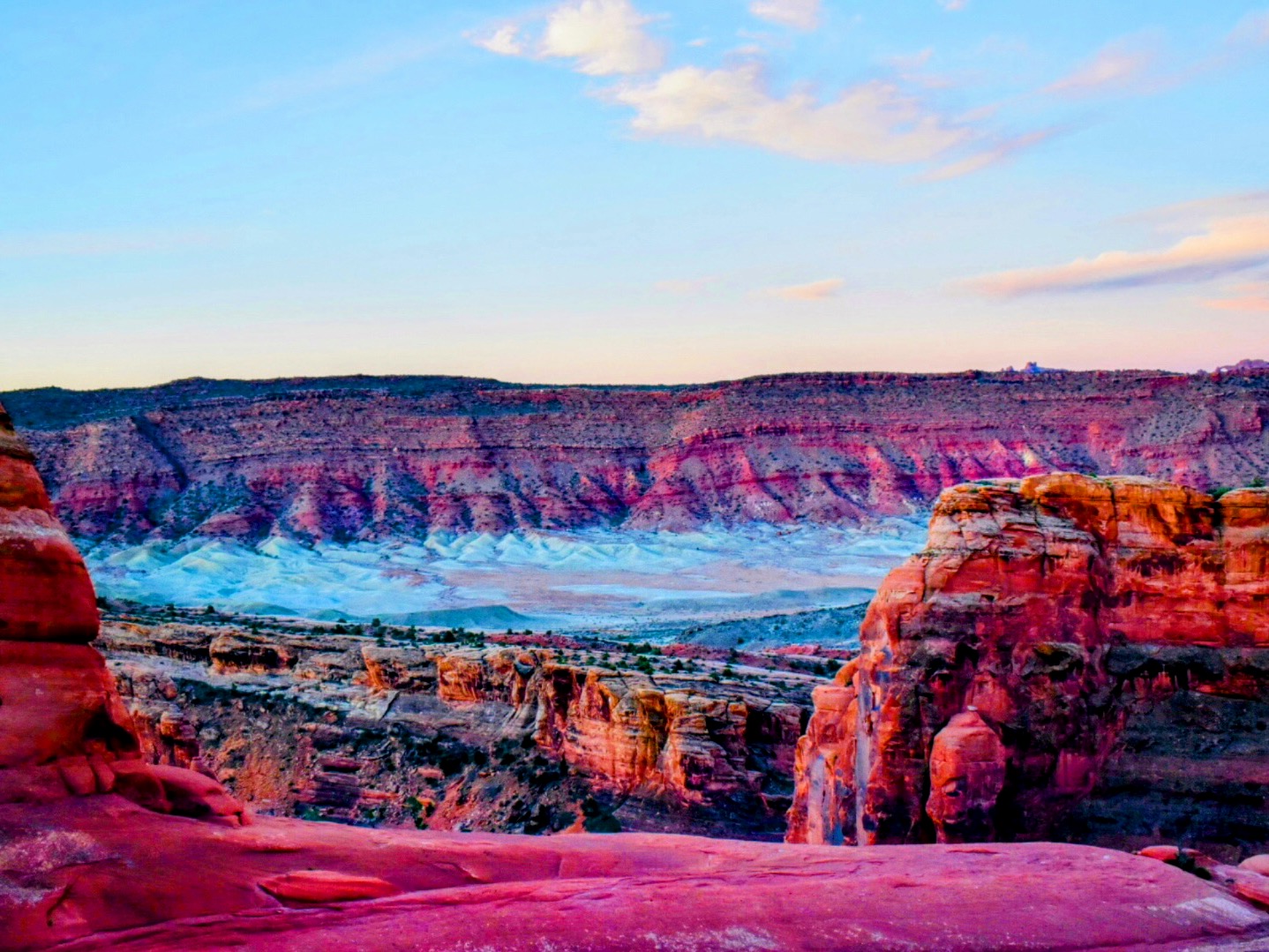
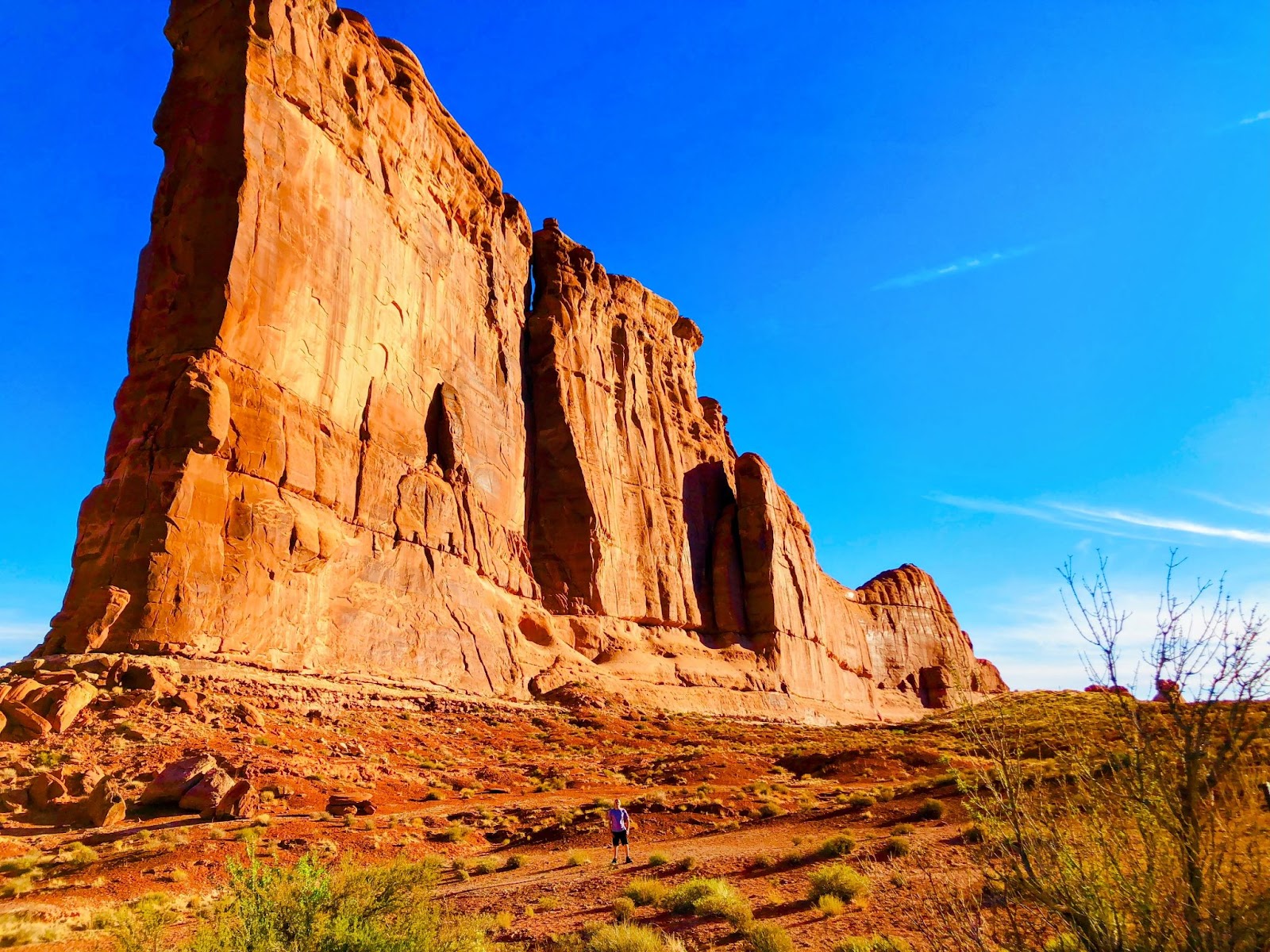
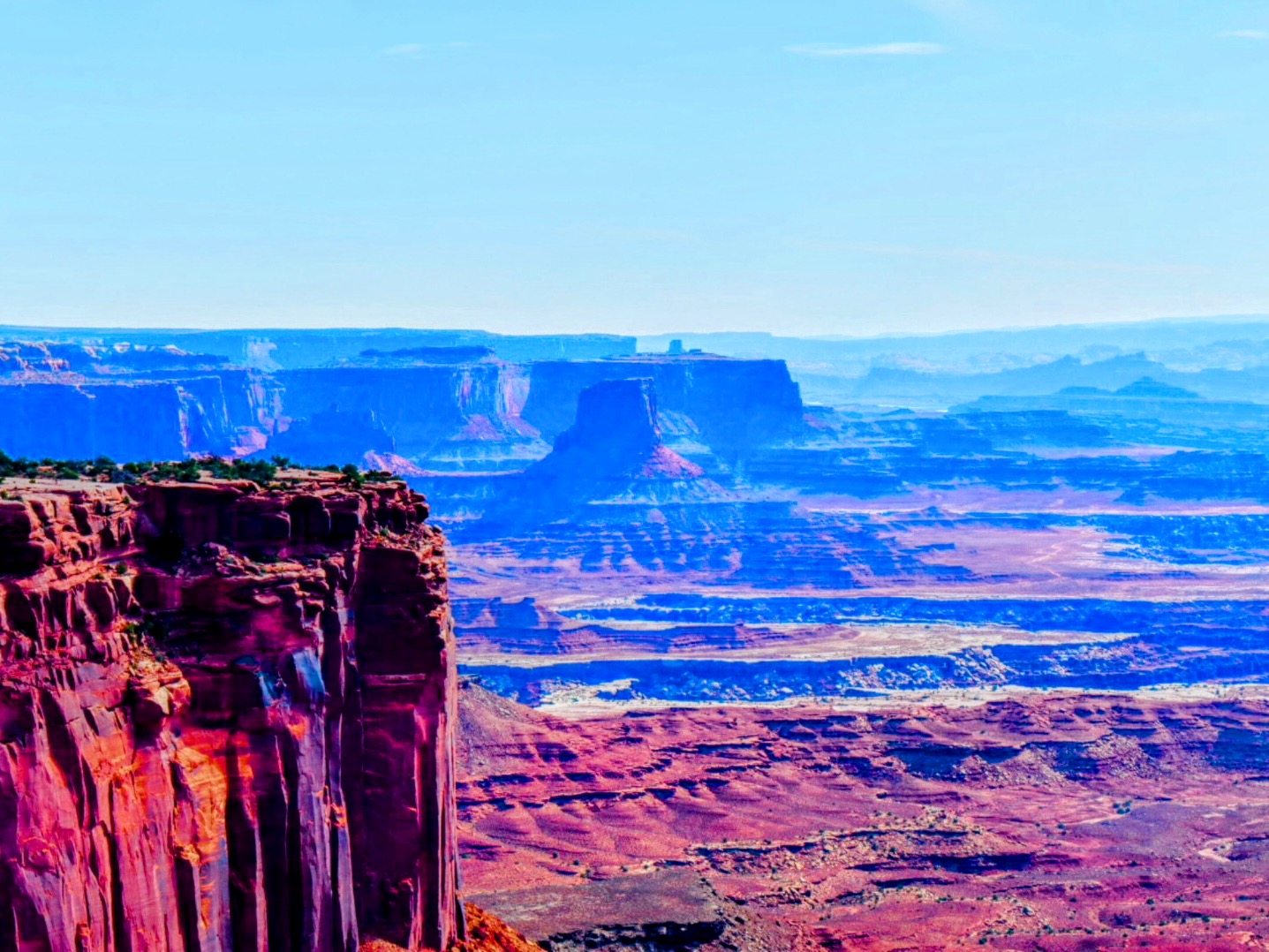
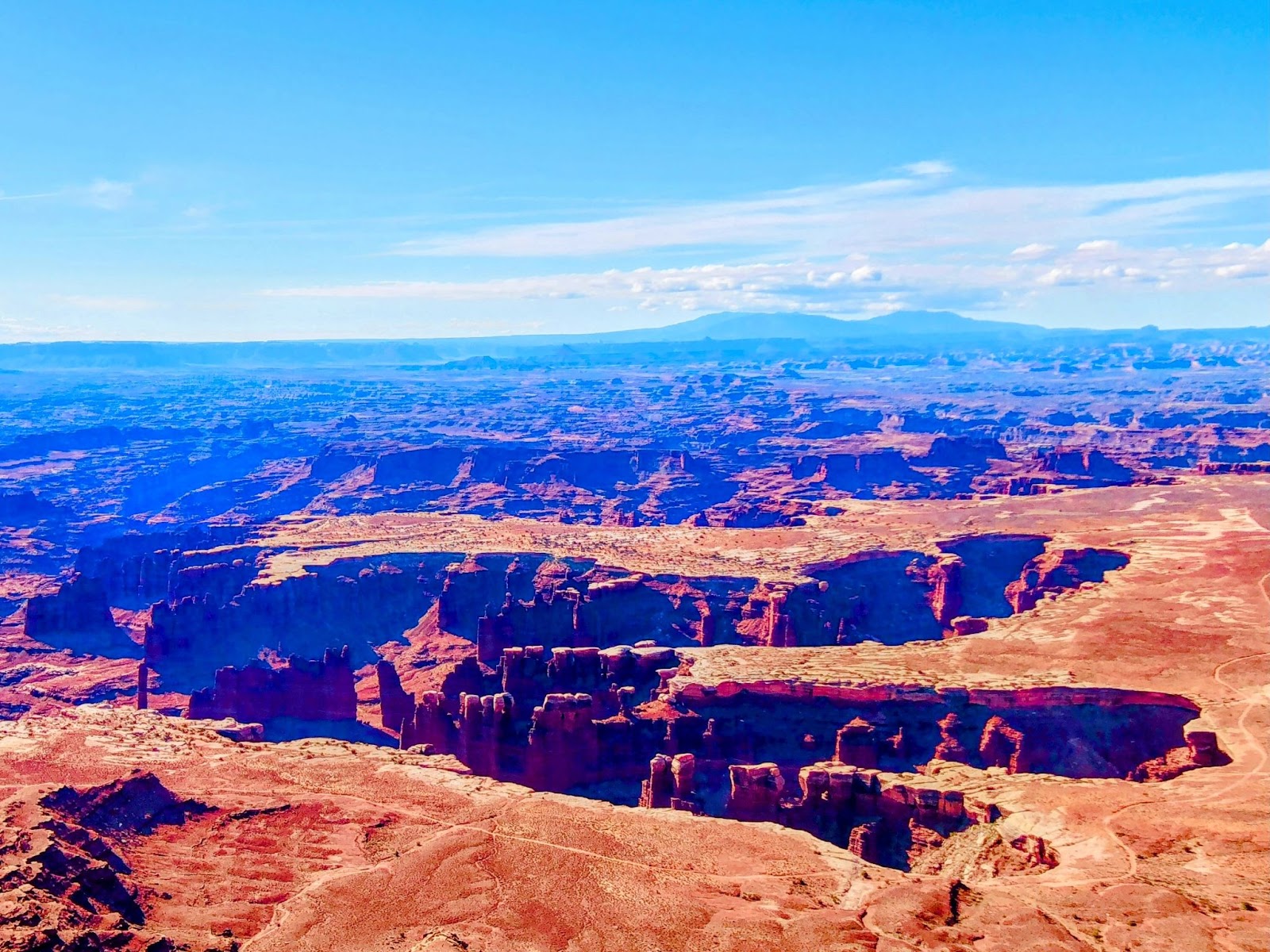
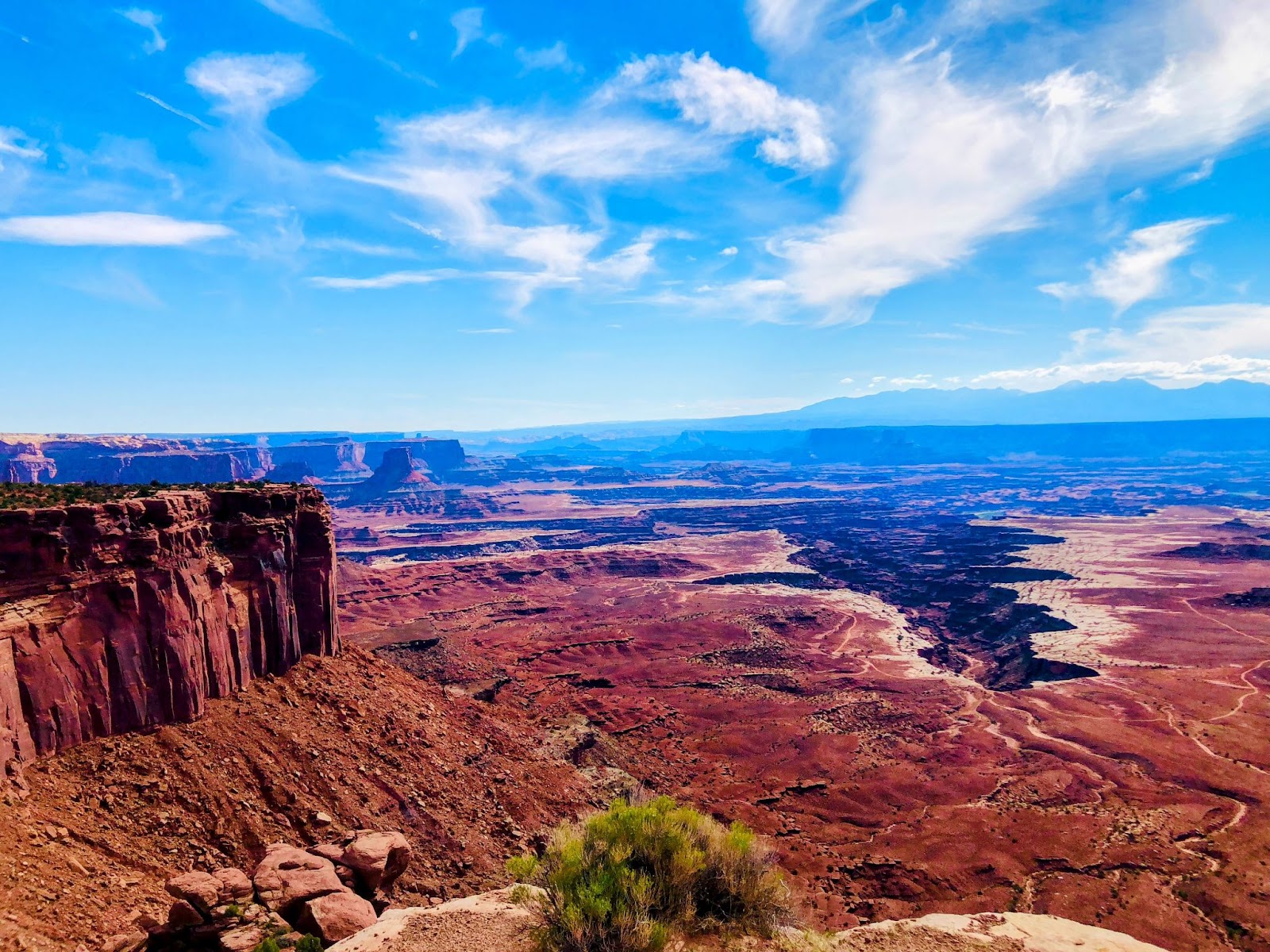
From Moab, you’ll drive about 30 minutes to visit Canyonlands National Park. This park covers an area of 337,598 acres and is known for its stunning views, deep canyons, and unique geological formations. It’s home to a number of unique geological features, including the Island in the Sky, which is a mesa that offers panoramic views of the surrounding area, and the Needles, which is a series of spires and towers that rise up from the ground. The park is also home to a variety of plant and animal life, including pinyon pine trees, juniper trees, and mule deer. In addition to its natural beauty, Canyonlands National Park offers a range of recreational activities, including hiking, rock climbing, and photography. The park also offers guided tours and ranger-led programs, which provide visitors with the opportunity to learn more about the park’s natural and cultural history.
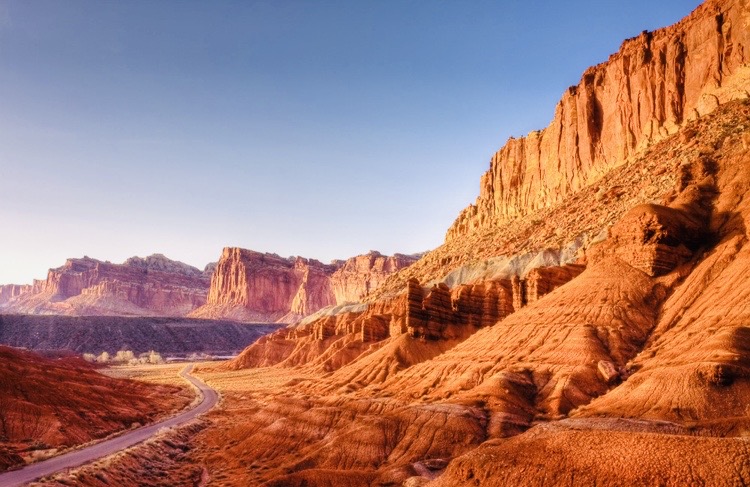
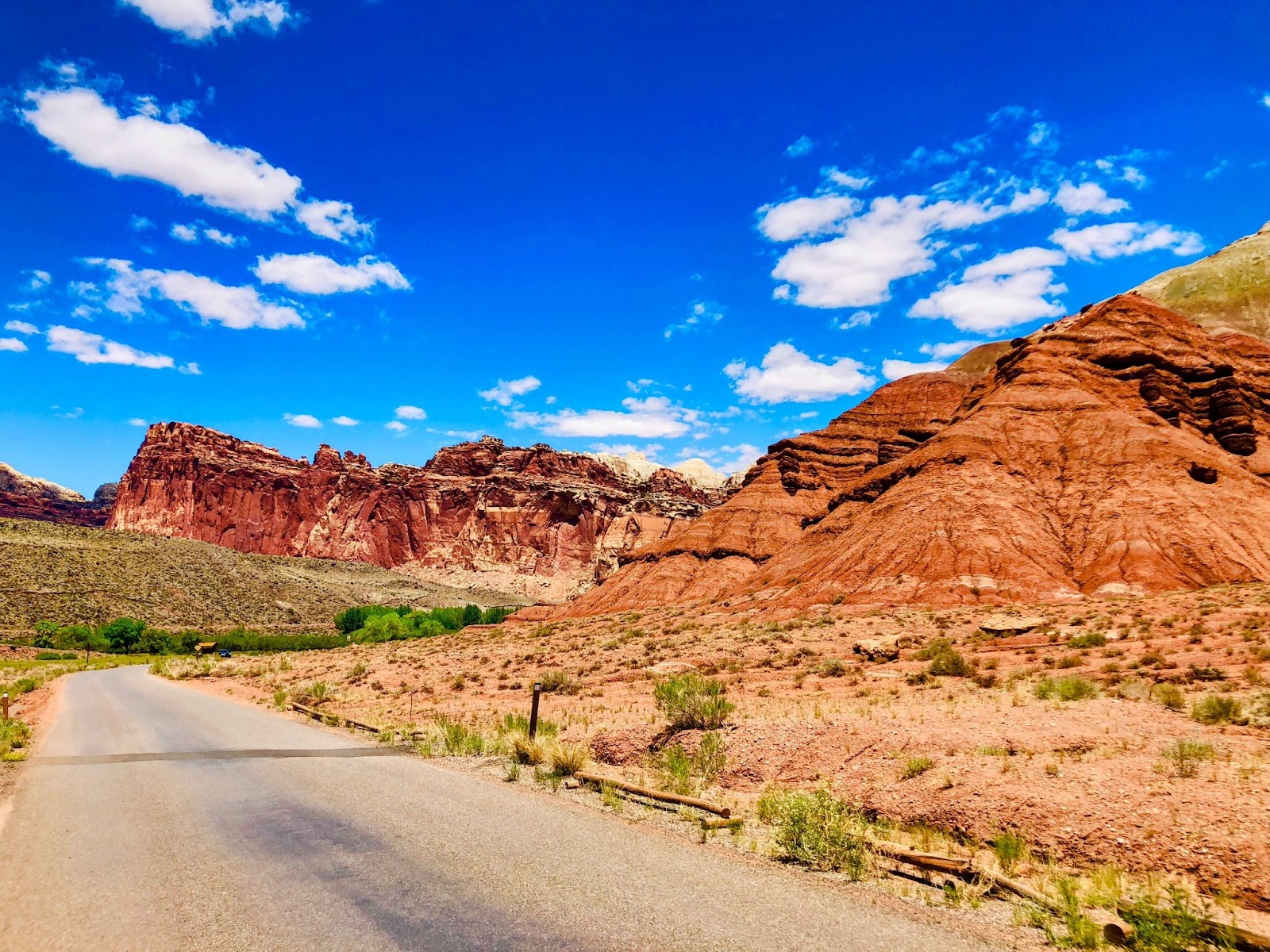
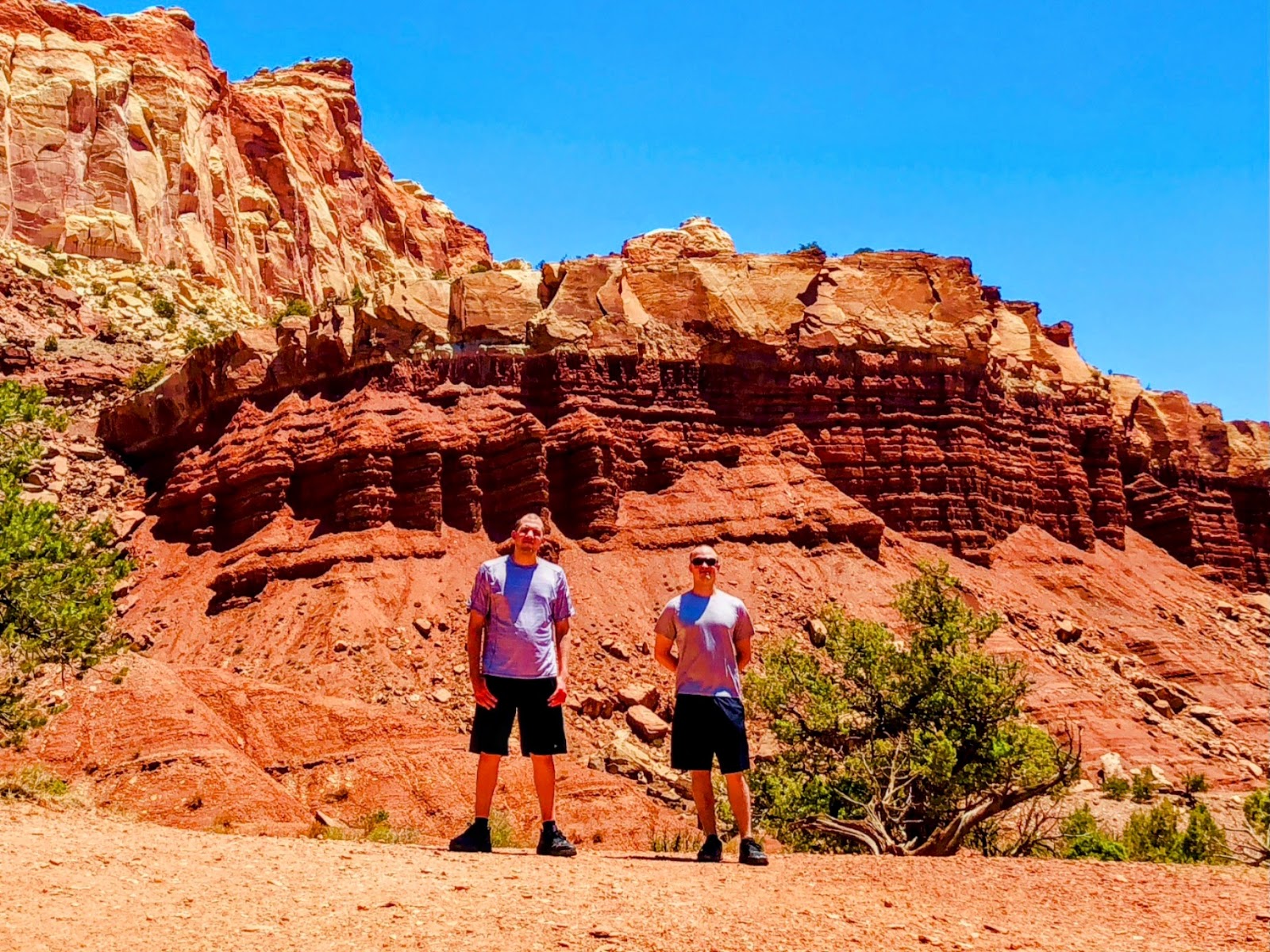
From Moab, you’ll drive a little over 2 hours west to visit Capitol Reef National Park. This park covers an area of 241,904 acres and is known for its stunning views, unique geological formations, and rich cultural history. The park is also home to a number of hiking trails, offering the opportunity to explore the park’s unique and varied terrain. In addition to its natural beauty, Capitol Reef National Park is also home to a number of cultural and historical sites, including the historic Fruita Rural Historic District and the visitor center, which offers exhibits and programs about the park’s natural and cultural history.
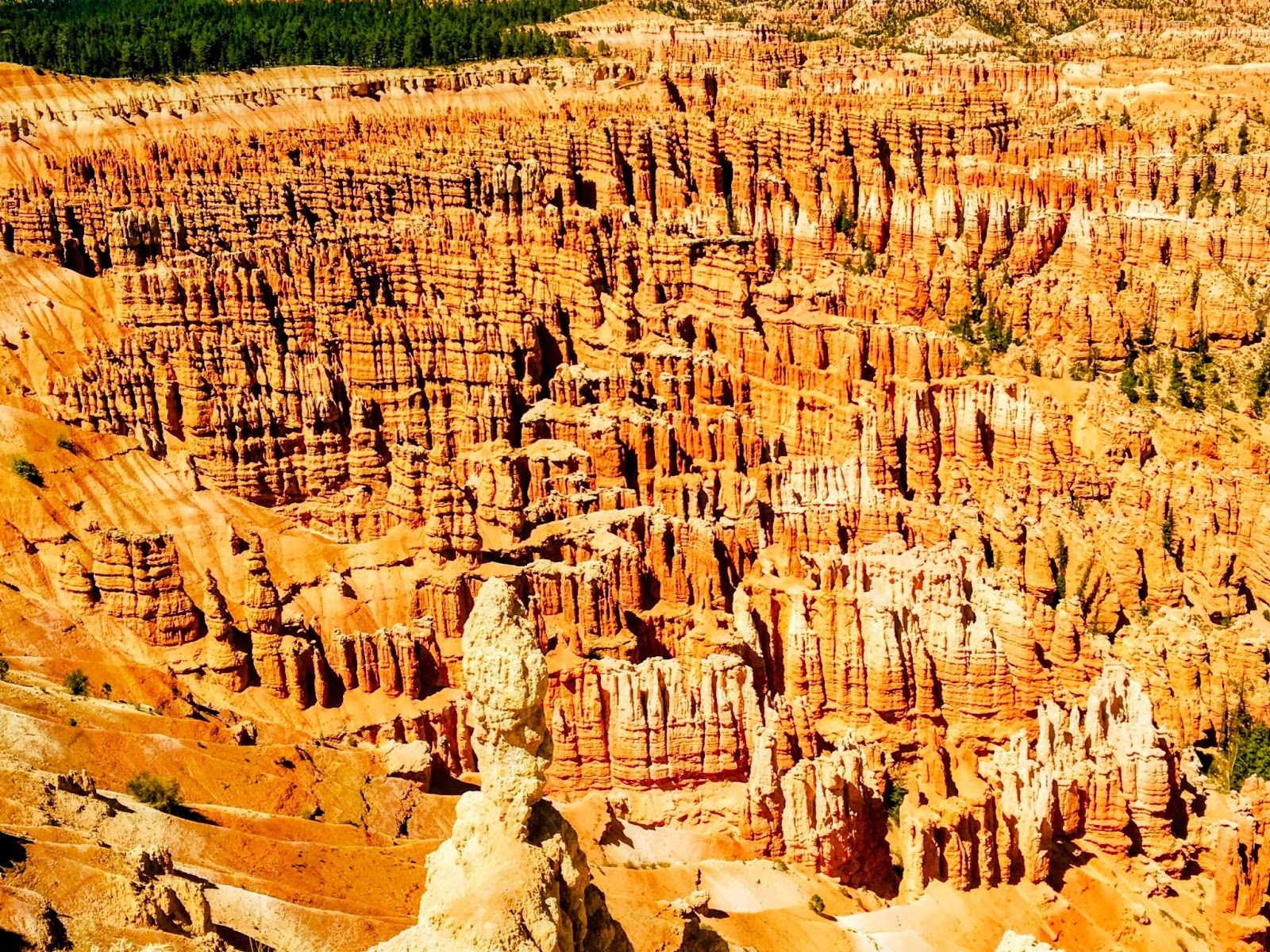
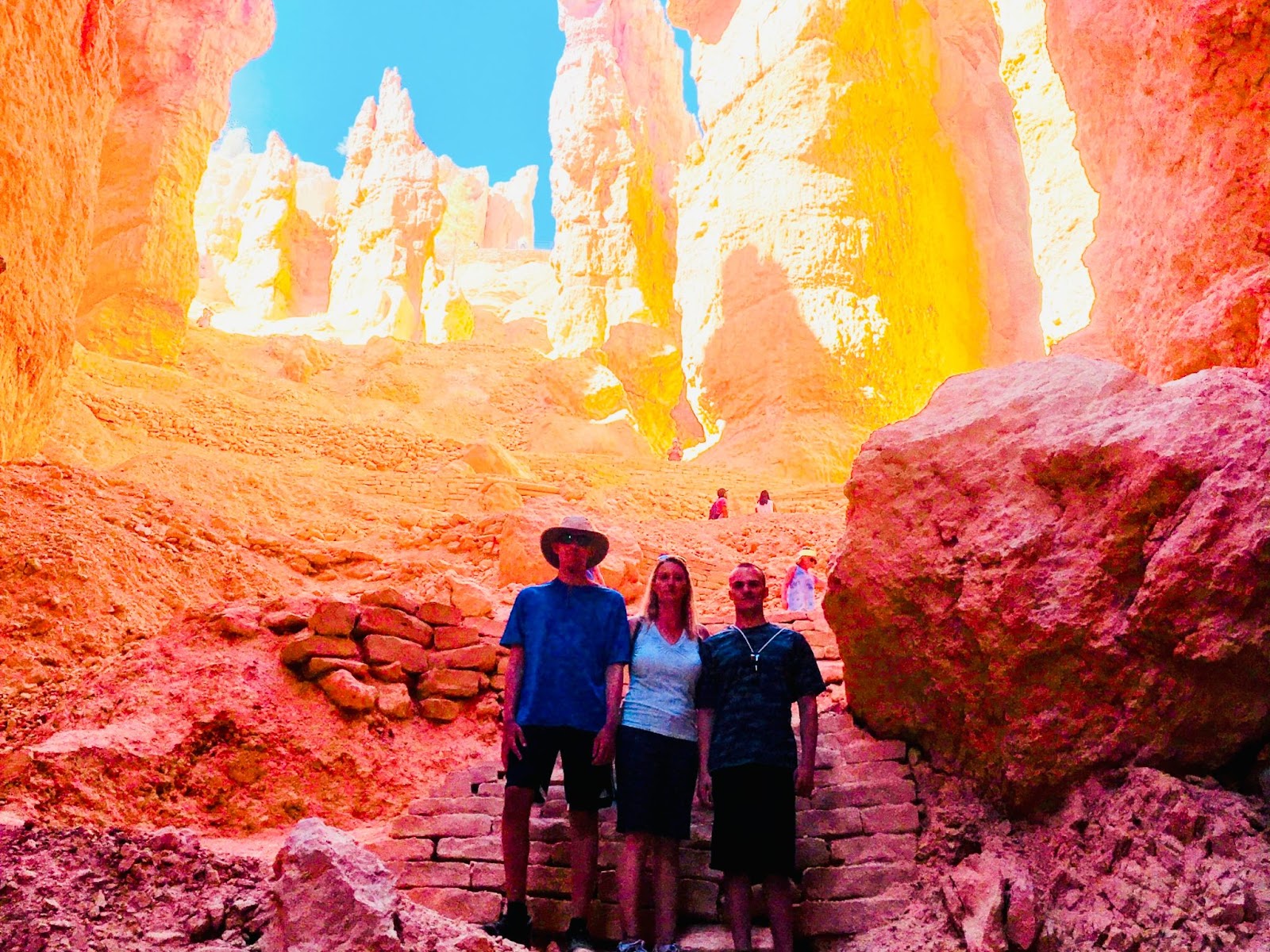
From there you’ll drive a little over 2 hours southwest to visit Bryce Canyon National Park. This park covers an area of 35,835 acres and one of the main attractions of Bryce Canyon National Park is its stunning landscape, with towering red rock spires and pinnacles known as “hoodoos” and a variety of geological formations. The park is also home to a number of hiking trails, offering the opportunity to explore the park’s unique and varied terrain.
In addition to its natural beauty, Bryce Canyon National Park is also home to a number of cultural and historical sites, including the historic Bryce Canyon Lodge and the visitor center, which offers exhibits and programs about the park’s natural and cultural history.
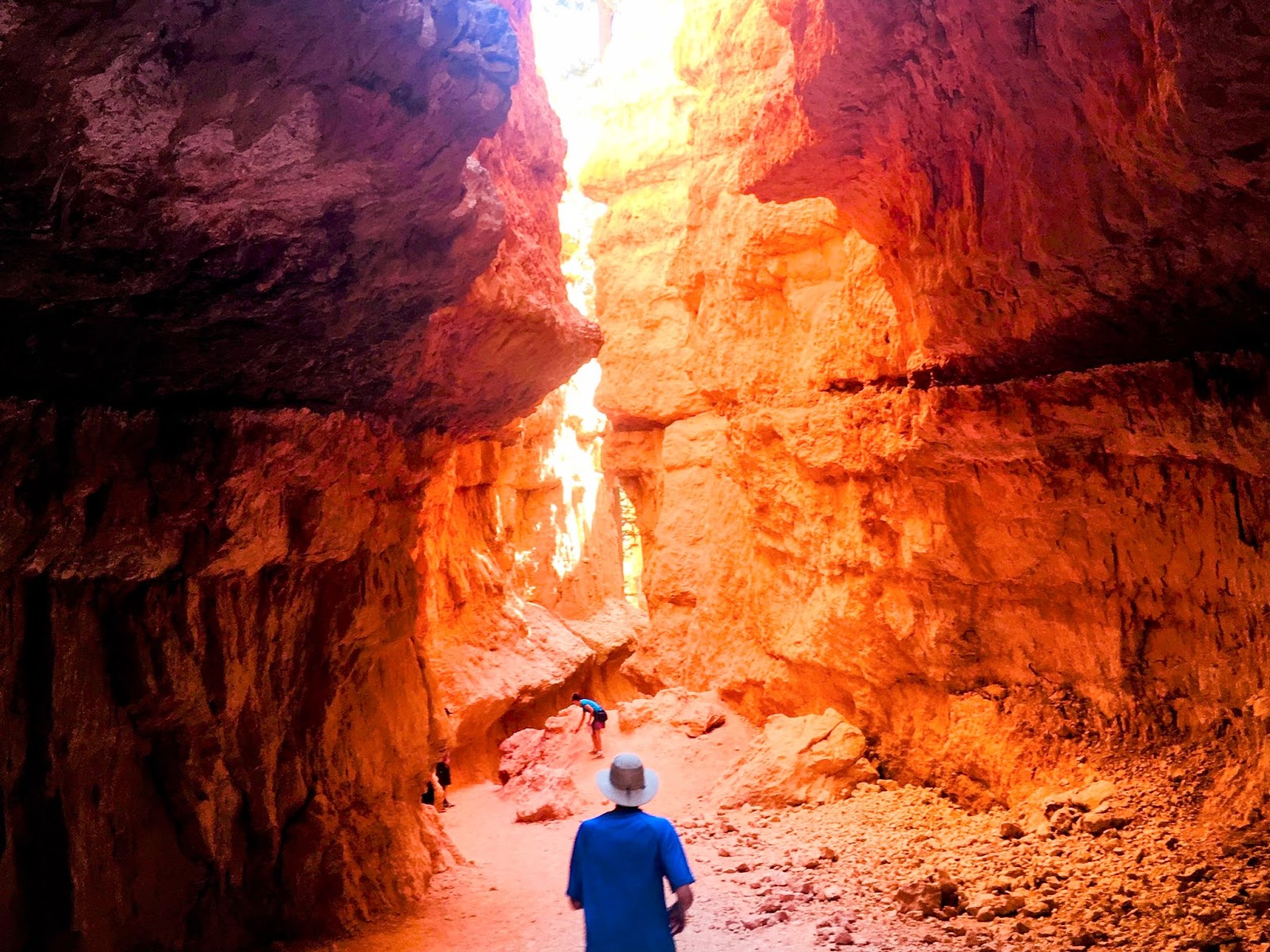
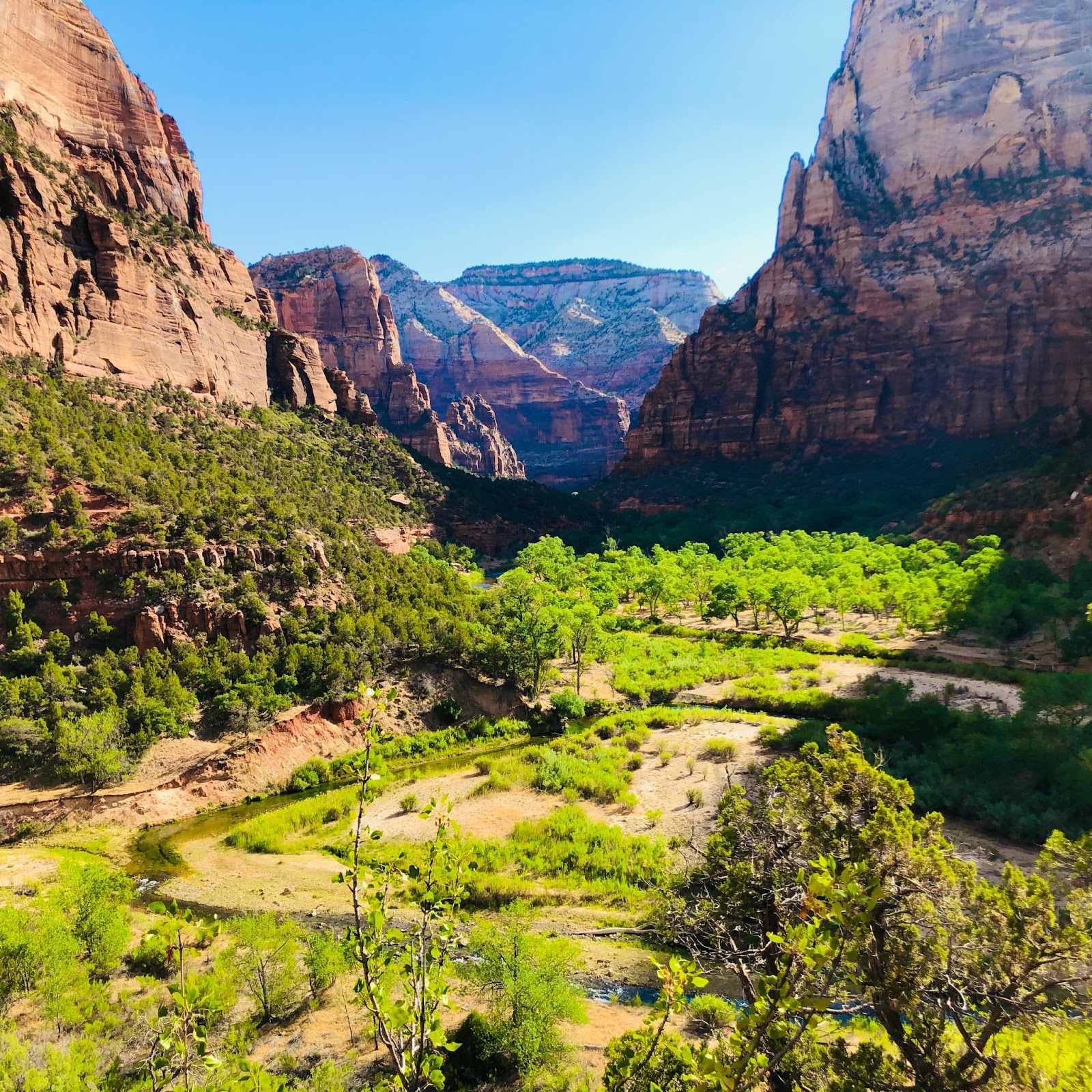
From there you’ll drive a little over an hour and a half to visit our favorite park of all… Zion National Park! This park covers an area of approximately 229 square miles and is famous for its spectacular rock formations, including towering sandstone cliffs, deep canyons, and unique rock formations such as the iconic “Checkerboard Mesa.” Zion is home to a variety of wildlife, including deer, mountain lions, bighorn sheep, and more. The park offers a variety of recreational opportunities, including hiking, camping, rock climbing, and scenic drives. The most famous hike is Angels Landing, which provides breathtaking views of the surrounding landscape.
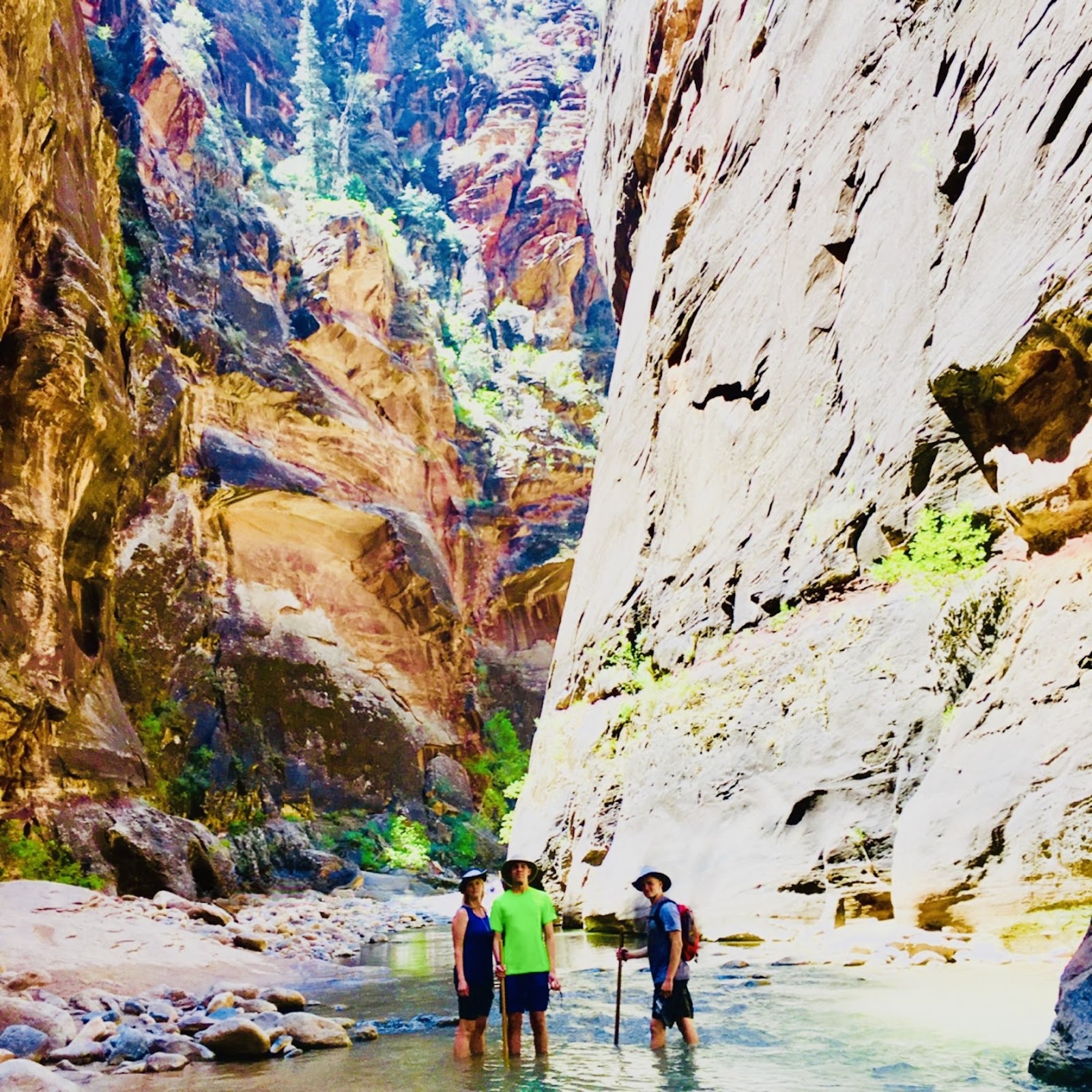
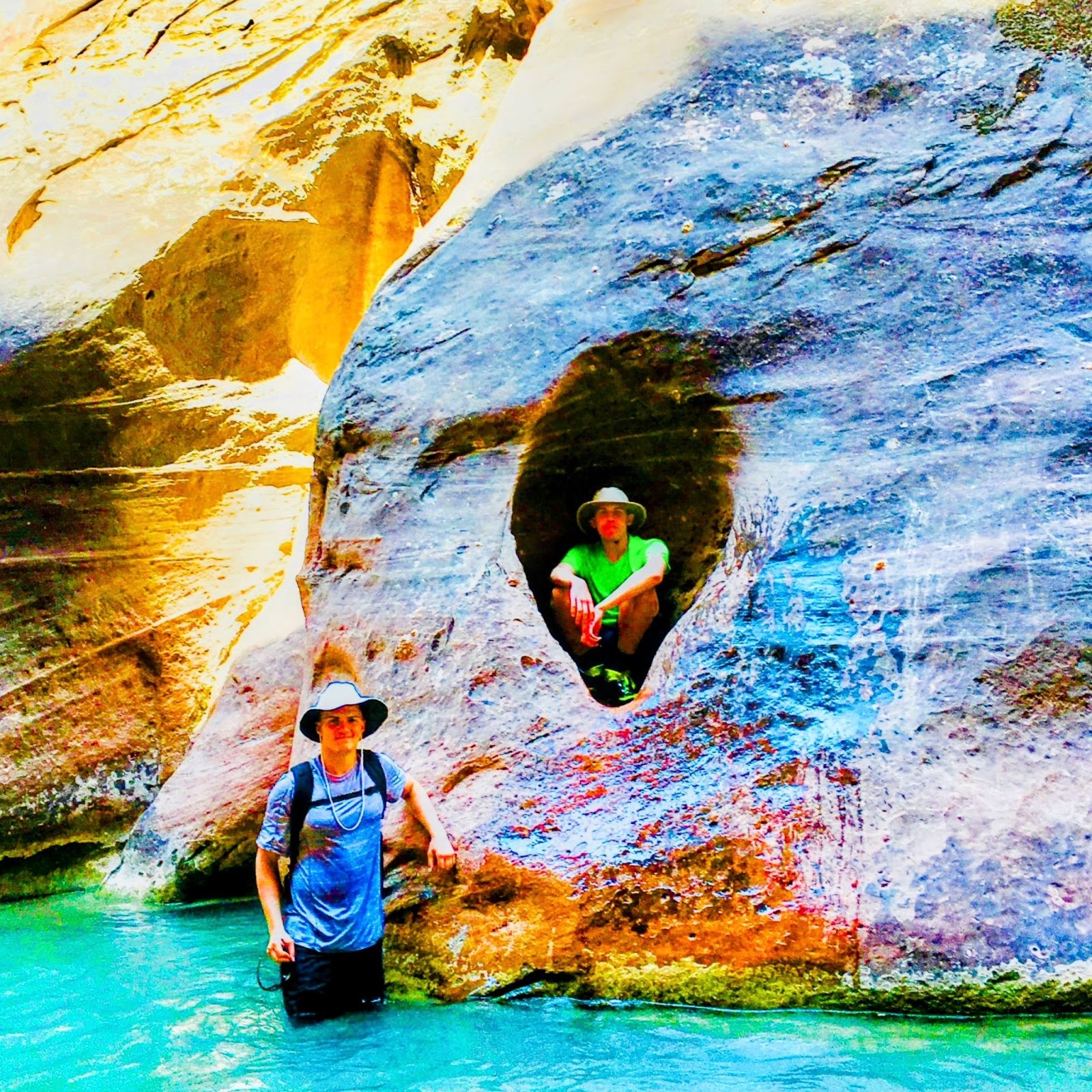
After visiting Zion, here’s a couple of choices for lodging… there’s plenty of places you could stay at right there in Springdale or you could head a little under an hour west and stay in St. George. The closest major airport in the area is McCarran International (in Las Vegas) just about an hour and a half further west from St. George… so that could be a nice ending to an out-west hiking adventure! We took our kids to see David Copperfield at the MGM Grand, and that was a totally new and “magical” experience in itself! Believe it or not, there are plenty of family-friendly things you can do in Las Vegas!


*Park fact credits http://www.morethanjustparks.com

 Quest for 50 states